
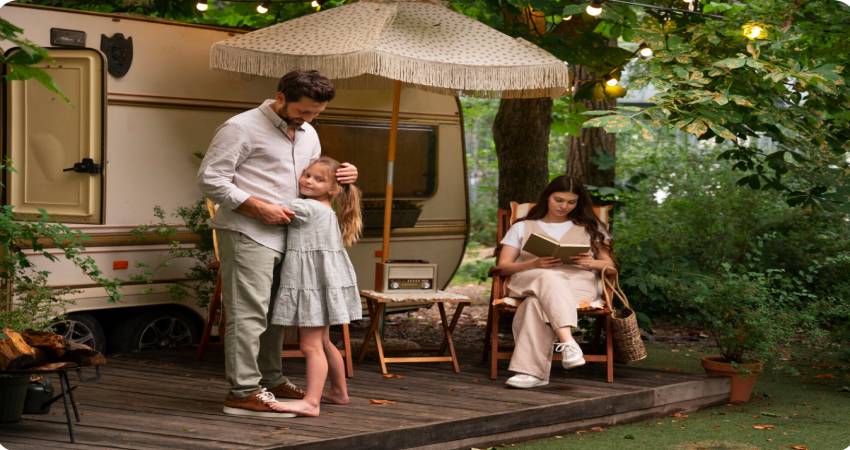
A well-designed outdoor space can transform the way people enjoy their homes. Patios are no longer just empty areas beside a house; they have become comfortable extensions of indoor living spaces. Families use patios for relaxing evenings, social gatherings, outdoor meals, and peaceful moments surrounded by nature. With thoughtful planning, even a small outdoor area can become a beautiful and practical place.
Creating an attractive patio requires attention to design, materials, furniture, lighting, and maintenance. The goal is to build a space that matches personal needs while also improving the overall appearance of a property. A good patio design balances comfort, style, and functionality so that it remains enjoyable throughout different seasons.
Understanding the Importance of Outdoor Living Spaces
Outdoor living has become increasingly popular because people want more opportunities to spend time outside. Fresh air, natural surroundings, and comfortable seating areas can improve relaxation and create a welcoming environment for guests. A patio provides a dedicated place where homeowners can enjoy outdoor activities without leaving their property.
Many modern homes are designed with outdoor spaces in mind. A patio can serve many purposes, such as a dining area, entertainment zone, reading corner, or garden retreat. The flexibility of a patio allows homeowners to customize the space according to their lifestyle.
A carefully planned patio also adds value to a home. When designed with quality materials and attractive features, it can improve the appearance of the property and make it more appealing to potential buyers. A comfortable outdoor area is often considered an important feature in modern home design.
Planning the Perfect Patio Design
Before building or improving a patio, proper planning is essential. The first step is understanding the available space and deciding how it will be used. A large family may need a spacious area for gatherings, while someone looking for relaxation may prefer a smaller, quieter corner.
The location of the patio plays an important role. Factors such as sunlight, shade, wind direction, and privacy should be considered. A patio placed in the right location will be more comfortable and easier to enjoy throughout the year.
The style of the patio should also complement the existing design of the home. Some homeowners prefer a modern appearance with clean lines and simple furniture, while others enjoy a natural style with plants, wooden elements, and traditional decorations. Choosing a consistent design approach creates a more attractive overall look.
Choosing the Right Materials
The materials used for a patio affect its durability, appearance, and maintenance needs. Common options include concrete, stone, brick, wood, and tiles. Each material has unique benefits and can create a different atmosphere.
Concrete is a popular choice because it is strong, affordable, and available in many designs. It can be shaped, colored, or textured to create different visual effects. Stone provides a natural and elegant appearance, while brick offers a classic style that works well with many homes.
Wood can create a warm and inviting environment, but it requires regular care to protect it from weather damage. Tiles provide a stylish finish and are available in many patterns and colors. Selecting the right material depends on budget, climate, personal preference, and the amount of maintenance a homeowner is willing to perform.
Creating Comfort with Furniture and Decorations
Furniture is one of the most important parts of any patio. Comfortable chairs, tables, and seating arrangements make the area more enjoyable and functional. Outdoor furniture should be chosen carefully because it needs to handle changing weather conditions.
Cushions, rugs, and decorative items can add personality to a patio. Colors, textures, and patterns help create a welcoming atmosphere. Plants and flowers are also excellent additions because they bring natural beauty and freshness to the space.
A patio can become a relaxing retreat with the right combination of furniture and decorations. Simple additions such as comfortable seating, attractive planters, and outdoor accessories can make a major difference in the overall experience.
The Role of Lighting in Patio Design
Lighting can completely change the appearance and usability of an outdoor area. Proper lighting allows people to enjoy their patios after sunset while also improving safety. Soft lights can create a peaceful atmosphere, while brighter lights may be useful for dining and entertainment areas.
Different types of outdoor lighting can be used depending on the desired effect. Wall lights, pathway lights, hanging lamps, and decorative fixtures can highlight important features and create visual interest.
Energy-efficient lighting options are also becoming more common. Solar-powered lights and LED bulbs can reduce energy use while providing reliable illumination. Good lighting design makes a patio feel comfortable and inviting at any time of day.
Adding Nature and Green Elements
Plants are a simple way to improve the beauty of an outdoor space. Greenery creates a connection with nature and can make a patio feel more peaceful. Small gardens, potted plants, climbing vines, and flowers can all enhance the environment.
When selecting plants, it is important to consider the local climate and the amount of sunlight available. Low-maintenance plants are a good choice for people who want beauty without spending too much time on care.
A natural design approach can make a patio feel more relaxing and private. Trees, shrubs, and decorative plants can provide shade and create a comfortable atmosphere for spending time outdoors.
Making a Patio Suitable for Different Activities
A successful patio design should support the activities that matter most to the people using it. For those who enjoy entertaining guests, a larger seating area and outdoor dining setup may be ideal. For quiet relaxation, a comfortable chair, small table, and peaceful surroundings may be enough.
Some homeowners create multiple zones within one patio area. One section may be used for eating, another for conversation, and another for gardening or relaxation. Dividing the space in this way improves organization and makes the patio more practical.
A flexible design allows the patio to change with different needs over time. Furniture can be rearranged, decorations can be updated, and new features can be added as preferences change.
Weather Protection and Maintenance
Outdoor spaces are exposed to different weather conditions, so protection and maintenance are important. Shade structures, umbrellas, pergolas, and covers can protect furniture and make the patio more comfortable during hot or rainy weather.
Regular cleaning helps maintain the appearance and condition of the patio. Removing dirt, checking for damage, and caring for plants keep the area attractive. Different materials require different maintenance routines, so homeowners should follow suitable care practices.
A durable patio design reduces long-term problems and ensures that the space remains enjoyable for many years. Quality materials combined with regular care can protect the investment and preserve the beauty of the outdoor area.
Modern Ideas for Improving Outdoor Spaces
Modern patio designs often focus on creating a balance between comfort and technology. Outdoor kitchens, entertainment systems, fire features, and smart lighting are becoming popular additions. These features allow people to enjoy outdoor spaces in new and exciting ways.
Sustainable design is another growing trend. Many homeowners are choosing environmentally friendly materials, water-saving plants, and energy-efficient solutions. These choices help create outdoor areas that are attractive while also supporting responsible living.
The concept of a patio ththomable focuses on making outdoor areas more useful, comfortable, and enjoyable through thoughtful design choices. By combining practical features with personal style, homeowners can create spaces that fit their daily lives.
Budget Considerations for Patio Projects
Creating a patio does not always require a large budget. Careful planning and smart choices can help achieve an attractive result at different price levels. Homeowners can begin with essential features and gradually add improvements over time.
Setting a realistic budget before starting a project helps avoid unnecessary expenses. Costs may include materials, furniture, lighting, decorations, and professional services if needed. Comparing options and prioritizing important features can lead to better decisions.
A well-planned patio provides long-term benefits. Investing in quality elements where they matter most can create a comfortable outdoor space without wasting resources.
Conclusion
A patio is more than just an outdoor surface; it is a place where people can relax, connect, and enjoy nature. With proper planning, suitable materials, comfortable furniture, and thoughtful decorations, any outdoor area can become a valuable part of a home.
Designing a patio requires understanding personal needs and creating a balance between beauty and practicality. Whether the goal is entertainment, relaxation, or family time, a carefully designed outdoor space can improve everyday living.See More
A patio ththomable approach encourages homeowners to think creatively about their outdoor areas and make choices that support comfort, style, and lasting enjoyment. With attention to details and regular care, a patio can remain a welcoming space for many years.
By focusing on smart design, natural elements, and functional features, anyone can create an outdoor environment that feels like a true extension of their home. A beautiful patio is an investment in comfort, lifestyle, and memorable experiences.